Safety Data Sheet (SDS) requirements are crucial for any chemical product, and cryolite powder is no exception. As a supplier of cryolite powder, understanding and adhering to these requirements is essential for ensuring the safety of our customers, the environment, and our operations. In this blog, we will explore the key safety data sheet requirements for cryolite powder and why they are important.
1. Identification
The first section of the SDS provides basic information about the product, including its identifier, which is “Cryolite Powder” in our case. This section also includes the name, address, and emergency contact information of the supplier. As a responsible supplier, we ensure that our contact details are up - to - date and easily accessible so that customers can reach us in case of any emergencies or queries related to the product.
2. Hazard Identification
This section is perhaps the most critical part of the SDS. It outlines the potential hazards associated with cryolite powder. Cryolite powder can pose several risks, primarily related to its chemical composition.
-
Health Hazards: Cryolite powder may cause irritation to the skin, eyes, and respiratory tract upon contact or inhalation. Prolonged exposure or ingestion can have more severe health effects, including damage to the bones, kidneys, and central nervous system. The SDS will clearly state the appropriate protective equipment, such as gloves, goggles, and respirators, that should be worn when handling the product to minimize these risks.
-
Environmental Hazards: Cryolite powder can be harmful to the environment, especially to aquatic life. When released into water bodies, it can have toxic effects on fish, invertebrates, and plants. Our SDS details the environmental precautions that need to be taken during storage, handling, and disposal to prevent pollution.
3. Composition/Information on Ingredients
The composition section lists all the chemical components of cryolite powder. Cryolite is typically sodium hexafluoroaluminate (Na₃AlF₆), but it may also contain trace amounts of other substances depending on the mining source and manufacturing process. This section provides the chemical names, CAS numbers, and percentage concentrations of each ingredient. Accurate information in this section allows users to assess the potential risks associated with the product's components and make informed decisions about its use.
4. First - Aid Measures
In case of an accident or exposure, the SDS provides clear and concise first - aid instructions. If a person comes into contact with cryolite powder on the skin, they should immediately remove contaminated clothing and wash the affected area thoroughly with soap and water. For eye exposure, the eyes should be rinsed gently with water for at least 15 minutes, and medical attention should be sought promptly. In case of inhalation, the person should be moved to an area with fresh air, and if breathing difficulties persist, medical help should be called. If cryolite powder is ingested, the person should not induce vomiting and should seek medical attention immediately.
5. Fire - Fighting Measures
Although cryolite powder is not highly flammable, it can react with certain substances under fire conditions. The SDS indicates the appropriate extinguishing media, such as dry chemical, carbon dioxide, or water spray. It also warns about potential hazards during fire - fighting, such as the release of toxic fumes, and provides safety precautions for firefighters. For example, firefighters should wear full - protective firefighting gear and self - contained breathing apparatus to avoid inhalation of hazardous materials.
6. Accidental Release Measures
In the event of a spill or leak of cryolite powder, the SDS provides guidelines on how to handle it safely. Small spills can be cleaned up using appropriate equipment, such as a vacuum cleaner designed for dust collection or a dry brush and dustpan. Larger spills may require more extensive clean - up procedures, including containment to prevent the spread of the powder. The collected powder should be placed in a sealed container and disposed of in accordance with local regulations. The SDS also provides information on personal protective equipment (PPE) required during the clean - up process to protect the workers from exposure.
7. Handling and Storage
Proper handling and storage of cryolite powder are essential to prevent accidents and ensure the quality of the product. The SDS recommends handling the powder in a well - ventilated area to minimize inhalation risks. Workers should also wear appropriate PPE, as mentioned earlier.
For storage, cryolite powder should be kept in a cool, dry place away from incompatible substances. It should be stored in tightly closed containers to prevent moisture absorption, which can affect the product's properties. Our SDS provides detailed guidelines on the maximum storage temperature, humidity limits, and shelf life of cryolite powder to help our customers maintain the product's integrity.
8. Exposure Controls/Personal Protection
This section of the SDS focuses on setting exposure limits for cryolite powder and specifying the personal protective equipment necessary to comply with these limits. Occupational exposure limits for fluoride compounds (which are a key component of cryolite) are established by various regulatory agencies. Our SDS provides information on these limits and the monitoring procedures that should be in place to ensure compliance.
In addition to the PPE mentioned earlier, such as gloves, goggles, and respirators, the SDS may also recommend other protective measures, such as protective clothing and shoe covers, depending on the nature of the work environment and the level of exposure.
9. Physical and Chemical Properties
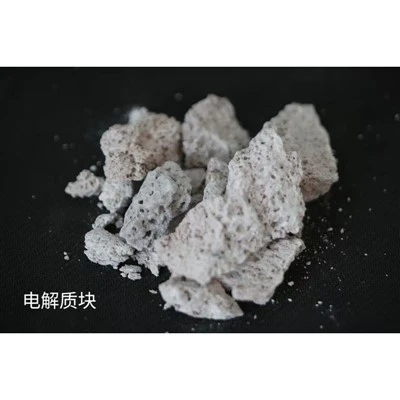
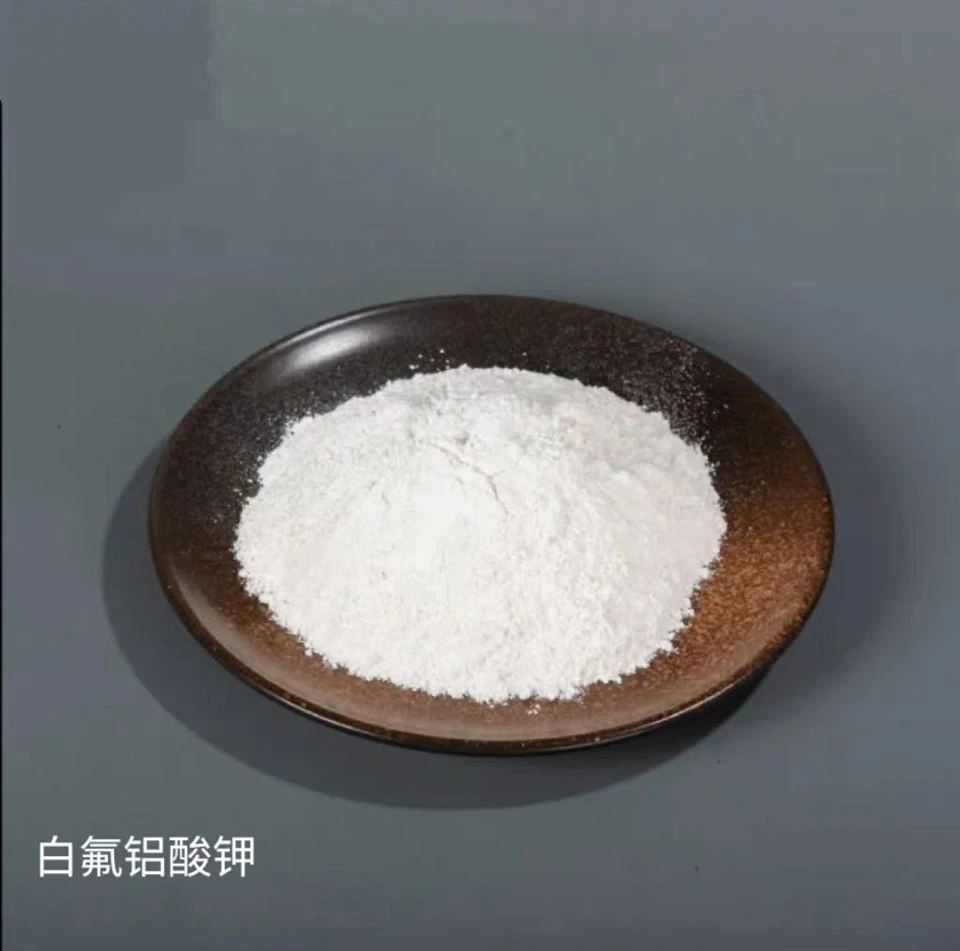
The physical and chemical properties of cryolite powder are important for understanding its behavior under different conditions. The SDS provides information on properties such as appearance (usually a white crystalline powder), odor (usually odorless), melting point, boiling point, density, solubility, and pH. This information helps users determine the appropriate handling, storage, and transportation methods for the product. For example, knowing the melting point can help in determining the maximum temperature at which the product can be stored without undergoing a phase change.
10. Stability and Reactivity
Cryolite powder is generally stable under normal conditions. However, the SDS outlines the conditions under which it may become unstable or react with other substances. For example, it may react with strong acids to release toxic hydrogen fluoride gas. The SDS also lists the incompatible materials, such as acids, bases, and certain metals, and provides guidance on how to avoid these reactions. This information is crucial for preventing chemical accidents during storage, handling, and use of the product.
11. Toxicological Information
Toxicological information in the SDS is based on scientific studies and research. It provides details on the acute and chronic effects of cryolite powder on human health. Acute effects may include immediate symptoms such as skin irritation, eye irritation, and respiratory distress. Chronic effects can result from long - term exposure and may include bone demineralization, kidney damage, and neurological disorders. The SDS also provides information on the toxicological mechanisms of action, such as how the product is absorbed, distributed, metabolized, and excreted in the body.
12. Ecological Information
As mentioned earlier, cryolite powder can have an impact on the environment. This section of the SDS provides information on its environmental fate, such as its persistence in soil and water, bioaccumulation potential, and toxicity to aquatic and terrestrial organisms. It also includes recommendations for minimizing the environmental impact of the product, such as proper disposal methods and preventing spills into water sources.
13. Disposal Considerations
The SDS provides guidelines on the proper disposal of cryolite powder in accordance with local, national, and international regulations. Disposal methods may vary depending on the quantity of the product, its contamination level, and the local waste management infrastructure. In general, cryolite powder should not be disposed of in regular trash but should be sent to a licensed waste disposal facility that is equipped to handle hazardous chemicals.
14. Transport Information
If cryolite powder needs to be transported, the SDS provides information on the appropriate transportation regulations. This includes the classification of the product for transportation purposes (e.g., whether it is a hazardous material), the packaging requirements, and the labeling requirements. Transporting the product safely is essential to prevent accidents during transit and to protect the environment and public health.
15. Regulatory Information
This section of the SDS lists the relevant regulations and standards that cryolite powder must comply with. These can include local environmental regulations, occupational safety and health regulations, and international chemical control agreements. Staying up - to - date with these regulations is essential for our business to operate legally and for our customers to use the product in compliance with the law.
16. Other Information
The final section of the SDS may include additional information, such as the date of preparation or revision of the document and any other relevant notes or disclaimers.
In addition to cryolite powder, we also offer related products such as Potassium Hexafluoroaluminate, High Purity Potassium Cryolite, Industrial Grade Potassium Aluminum Fluoride, Potassium Cryolite for Vitrified Wheels, and Potassium Cryolite. All of these products come with their own safety data sheets that adhere to the same strict requirements.
If you are interested in purchasing cryolite powder or any of our other related products, we encourage you to reach out for procurement discussions. Our team is ready to assist you and ensure that you receive high - quality products along with the necessary safety information.
References
- "Safety Data Sheet Manual" by the Occupational Safety and Health Administration (OSHA)
- "Hazardous Chemicals Handbook" by various chemical industry experts
- Research studies on the toxicity and environmental impact of cryolite and related compounds from scientific journals such as "Environmental Science & Technology" and "Toxicology Letters"