The wet synthesis process is currently the dominant method for sodium fluoroaluminate production in China, accounting for the largest share of production capacity. It offers advantages such as mild reaction conditions, low energy consumption, and consistent product purity. This process utilizes hydrofluoric acid, aluminum hydroxide, and soda ash as core raw materials, synthesizing the product through a multi-step reaction in a low-temperature liquid-phase environment (ranging from ambient temperature to 80°C). Production begins by precisely mixing hydrofluoric acid with an aluminum hydroxide slurry to form a fluoroaluminate intermediate via complexation in a reactor; subsequently, a sodium carbonate solution is slowly added to neutralize the mixture, causing sodium fluoroaluminate crystals to precipitate. The process concludes with filtration, water washing to remove impurities, low-temperature drying, and pulverization/screening to yield the final powdered product. The entire process is mature and controllable, ensuring thorough impurity removal and producing particles with uniform size and high reactivity; the product is suitable for a wide range of industrial applications, including ceramics, glass manufacturing, and standard electrolytic aluminum production. Additionally, the process utilizes fluorine resources derived from phosphate fertilizer by-products, resulting in high resource utilization efficiency and moderate production costs.

The dry sintering process is specialized for high-end sodium fluoroaluminate, emphasizing high purity and stability, and is primarily suited to the high-end electrolytic aluminum industry. Moving away from liquid-phase reactions, this method employs high-temperature solid-phase sintering. Using gaseous hydrogen fluoride, aluminum hydroxide, and sodium salts as raw materials, the synthesis reaction takes place within a rotary kiln at temperatures between 950°C and 1050°C. The high-temperature environment ensures complete reaction of the raw materials, resulting in sodium fluoroaluminate crystals with regular structures and uniform composition. The product is free from the water-soluble impurities often found in liquid-phase processes, exhibits extremely low loss on ignition, and offers stable electrolyte performance. Compared to the wet process, the dry process yields products with higher purity and superior high-temperature resistance, meeting the demands of high-precision electrolytic aluminum production. However, it entails higher energy consumption and places rigorous demands on equipment regarding heat and corrosion resistance; consequently, production costs are relatively high, and the process is predominantly used for manufacturing premium-grade industrial products.
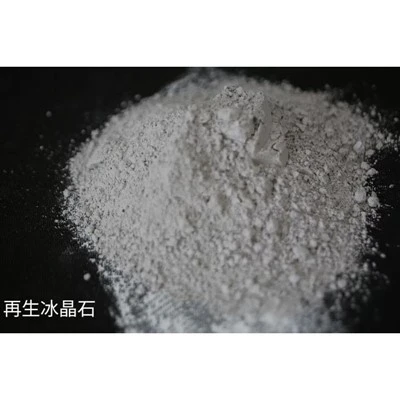
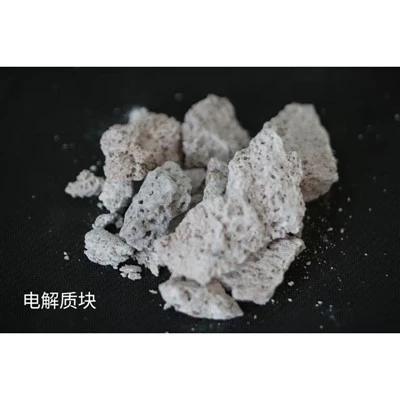
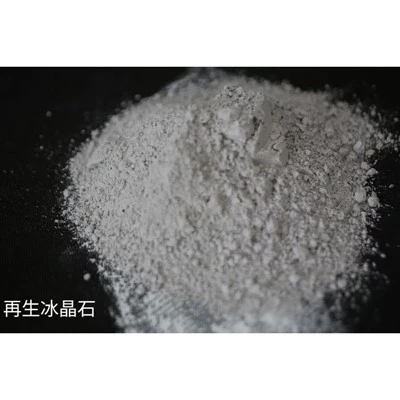
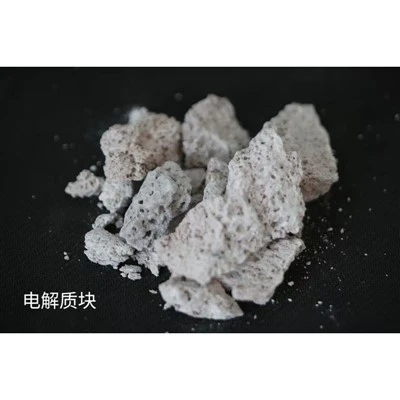
The improved industrial recovery process serves as a supporting method for green manufacturing within the industry. It relies on the regeneration of sodium fluoroaluminate from aluminum industry waste residues and fluorine-containing by-products, aligning with trends toward low-carbon and environmentally friendly production. This process utilizes waste electrolyte and fluorine-bearing waste residue-by-products of electrolytic aluminum production-as raw materials. Following purification, impurity removal, and activation, these materials are combined with auxiliary agents in a reformulated mix and subjected to refining, sintering, and screening to regenerate high-quality sodium fluoroaluminate. The entire process enables the recycling of industrial fluorine resources, significantly reducing raw material waste and solid waste emissions while maintaining low production costs. The resulting product meets standard industrial performance requirements and is widely used in applications such as general smelting and abrasive modification. It serves as a vital complementary process for cost reduction, efficiency improvement, and green manufacturing within the sodium fluoroaluminate industry, forming a comprehensive production system that integrates wet and dry process technologies to ensure resource circularity.